
Our Laboratory
Meet the Lab Team
Aurora Nutrascience’s research and development team is led by Dr. Ji Cheng, Head of R&D, and brings together a shared focus on science, formulation, and continuous innovation. The team works collaboratively to develop and refine our liposomal technologies with a thoughtful, research driven approach at every stage.

Potency & Encapsulation
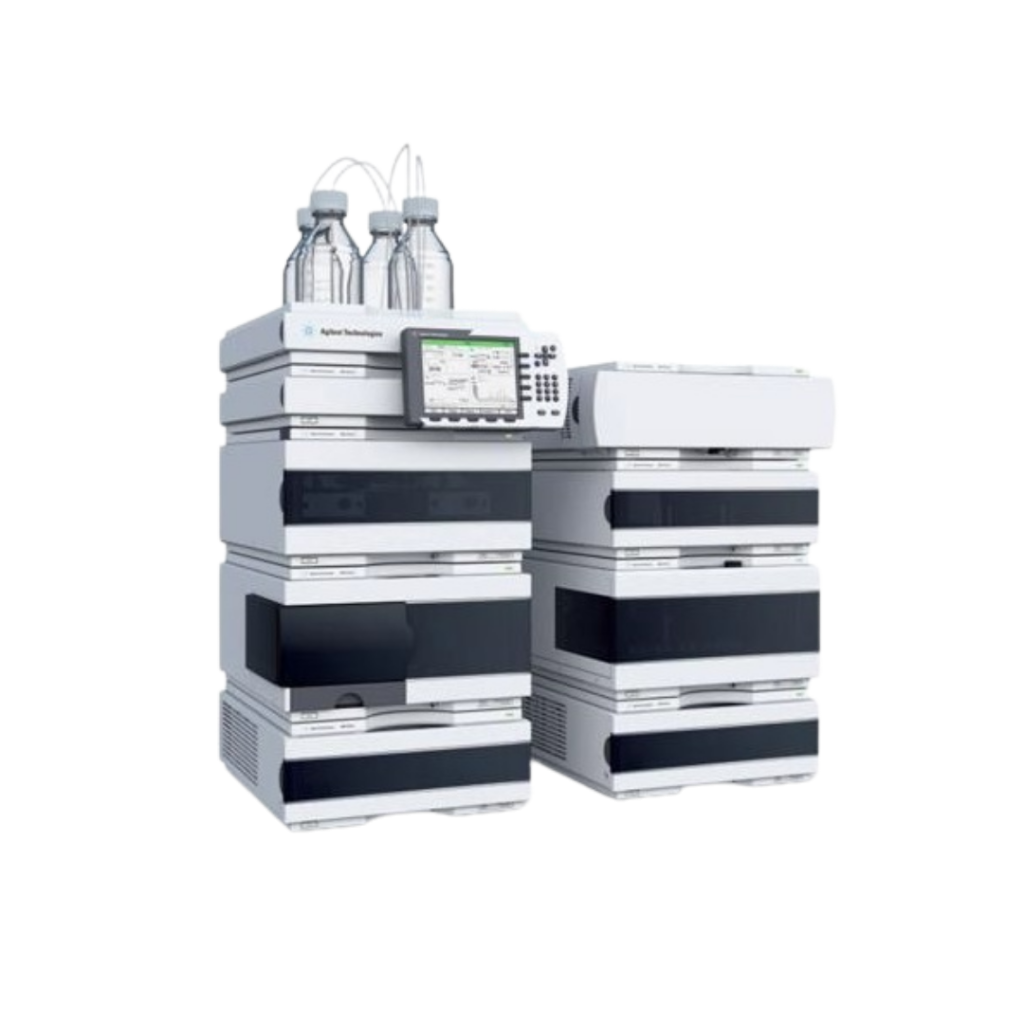
Agilent 1260 High-Performance Liquid Chromatography (HPLC) System
Agilent 1260 High-Performance Liquid Chromatography (HPLC) System is used to determine the potency and encapsulation efficiency of active ingredients in the liposomal formulation. HPLC analysis provides accurate and sensitive quantification of the active compounds in both total and free forms, enabling the calculation of encapsulated content and encapsulation efficiency. The method is used to verify active ingredient concentration, evaluate liposome loading performance, and monitor formulation consistency and stability during development and storage. The obtained analytical results supported the assessment of liposomal delivery system performance and overall product quality.
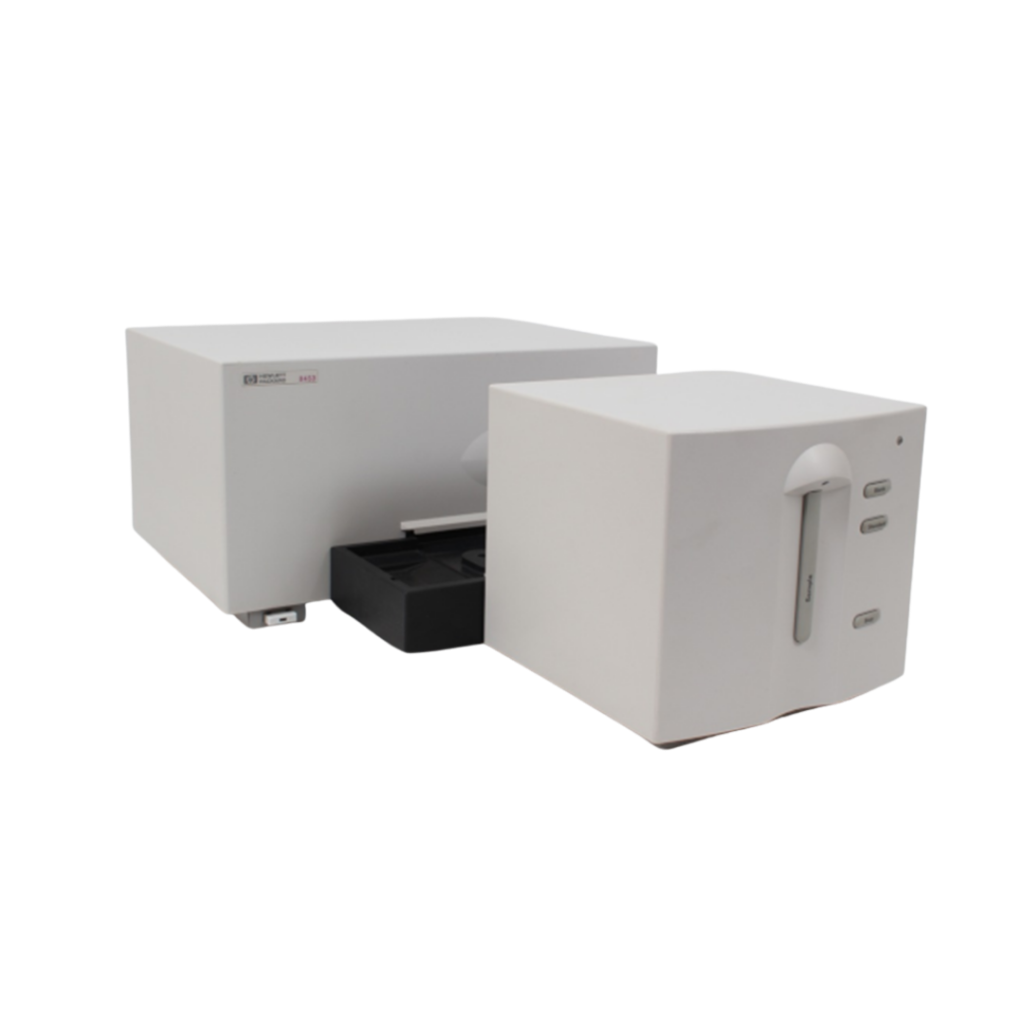
Agilent UV-Vis Spectrometer
Agilent UV-Vis Spectrometer is used to analyze the optical properties and quantify specific components of the liposomal formulation based on their UV-Vis absorbance characteristics. UV-Vis spectroscopy provides a rapid and reliable analytical approach for evaluating the presence and concentration of chromophoric compounds, as well as monitoring potential changes associated with formulation stability, degradation, or encapsulation performance. The obtained spectral data is used to support the characterization of the liposomal system, verify analytical consistency, and complement other physicochemical characterization techniques used during formulation development.
Particle Size, Distribution & Stability
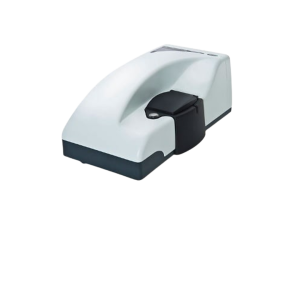
Malvern Zetasizer Nano ZS90
Malvern Zetasizer Nano ZS90 was used to characterize the particle size, polydispersity index (PDI), and zeta potential of the liposomal formulation. Dynamic light scattering (DLS) analysis was performed to determine the hydrodynamic particle size and size distribution, while zeta potential measurement was used to evaluate the surface charge characteristics and colloidal stability of the liposomal system. These parameters are critical quality attributes for liposomal formulations, as they provide information regarding particle uniformity, aggregation tendency, and physical stability. The obtained results were used to support the evaluation of liposome formation, formulation consistency, and stability performance during development and storage.

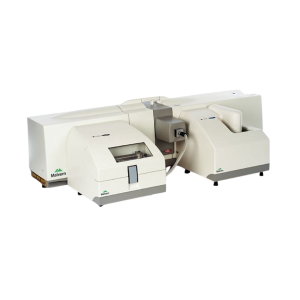

Malvern Mastersizer 2000 Particle Size Analyzer
Malvern Mastersizer 2000 Particle Size Analyzer was used to characterize the particle size distribution of the liposomal formulation. Particle size is a critical quality attribute for liposomal systems, as it can influence physical stability, dispersion behavior, bioavailability, and overall product performance. The instrument uses laser diffraction technology to provide accurate and reproducible measurement of particle size distribution across a broad range of particle sizes. The obtained particle size data were used to evaluate liposome size characteristics, monitor batch consistency, and support the assessment of formulation stability and quality.
Formulation Stability & Quality
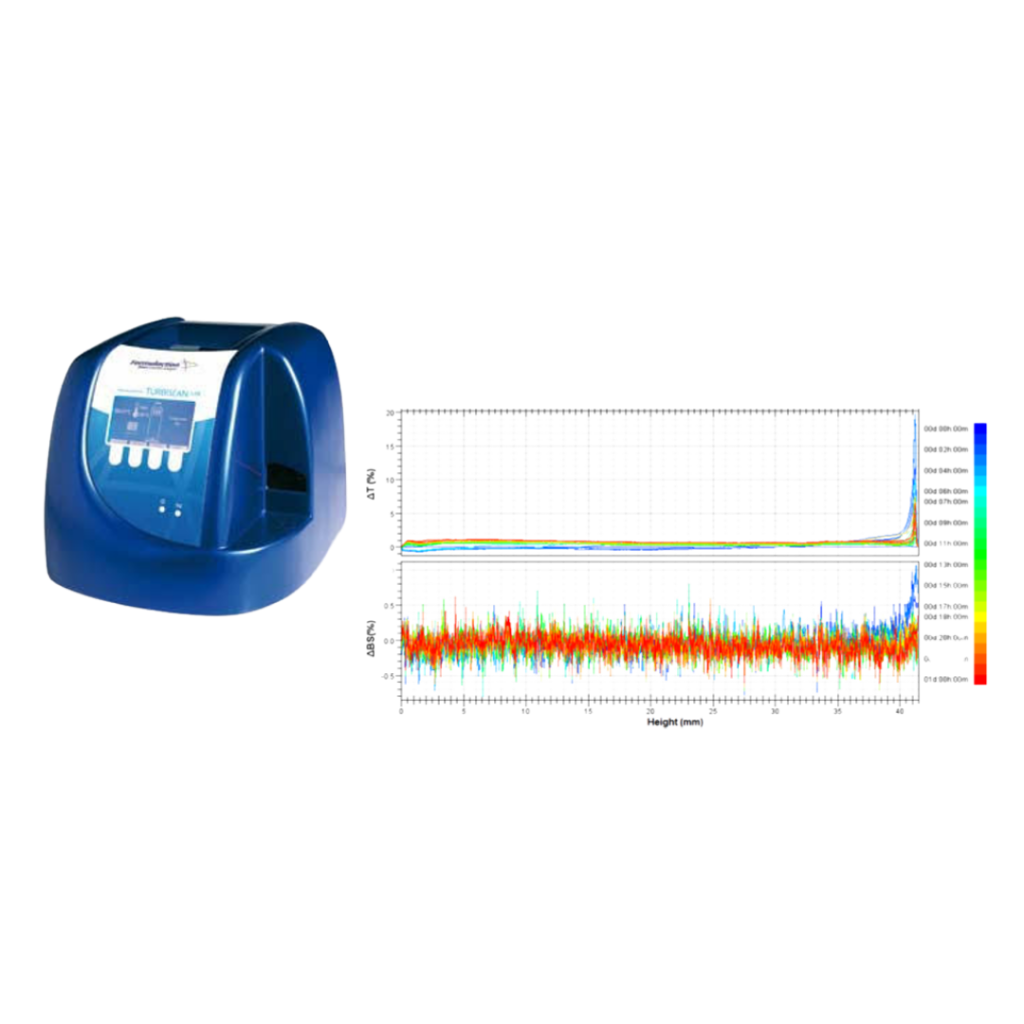
TURBISCAN Stability Analyzer
TURBISCAN Stability Analyzer is used to evaluate the physical stability of the liposomal formulation by monitoring changes in particle migration, aggregation, creaming, sedimentation, and overall dispersion stability over time. The instrument uses multiple light scattering technology to detect subtle variations in the formulation that may indicate changes in particle size, distribution, or structural integrity. Turbiscan analysis provides a comprehensive, non-destructive approach for assessing the stability of liposomal systems and was used to support the evaluation of formulation robustness, storage stability, and potential physical instability mechanisms.
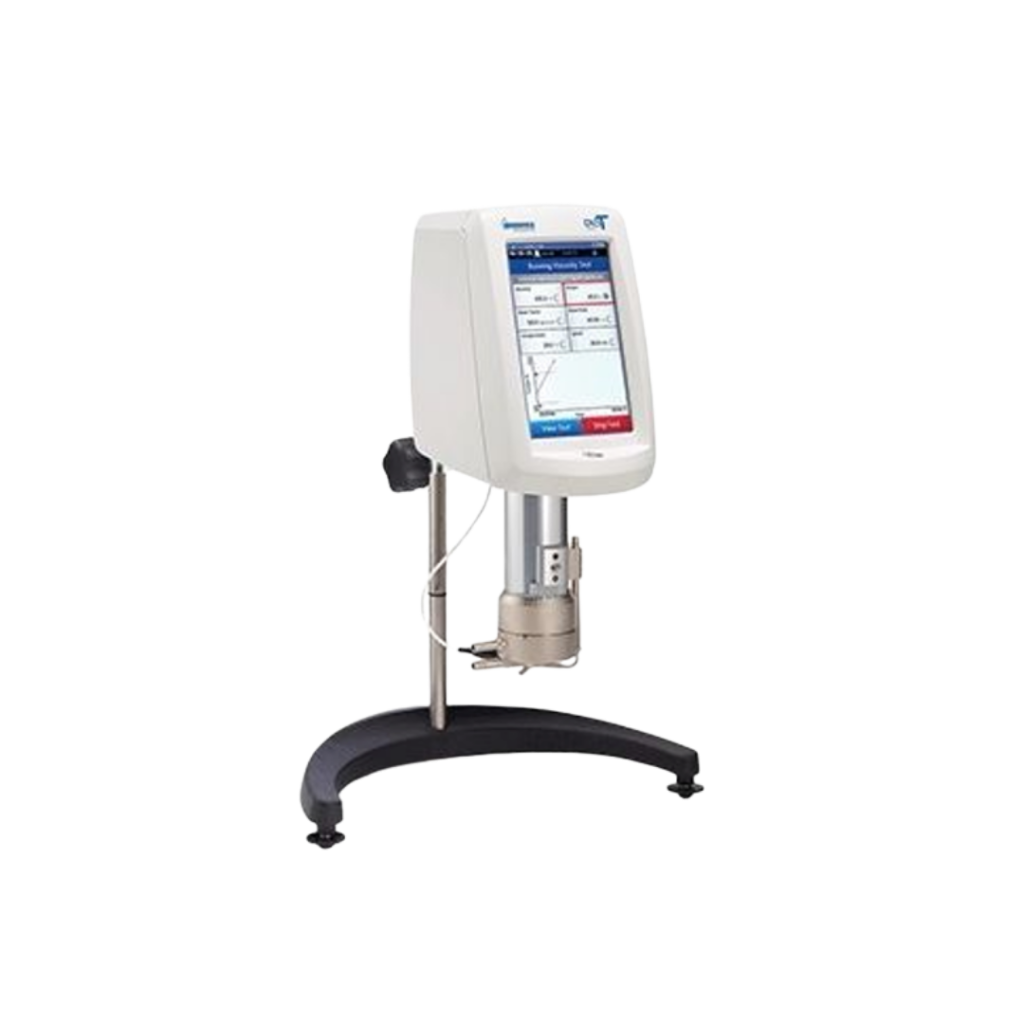
Brookfield Rheometer
Brookfield Rheometer is used to characterize the rheological properties of the liposomal formulation, including viscosity, flow behavior, and structural stability. Rheological measurements provide valuable information regarding the physical characteristics of liposomal systems, as changes in viscosity and flow properties may indicate particle aggregation, lipid phase changes, or formulation instability. The Brookfield Rheometer is used under controlled conditions to evaluate the consistency and handling properties of the liposomal formulation and to support the assessment of formulation stability during development and storage.
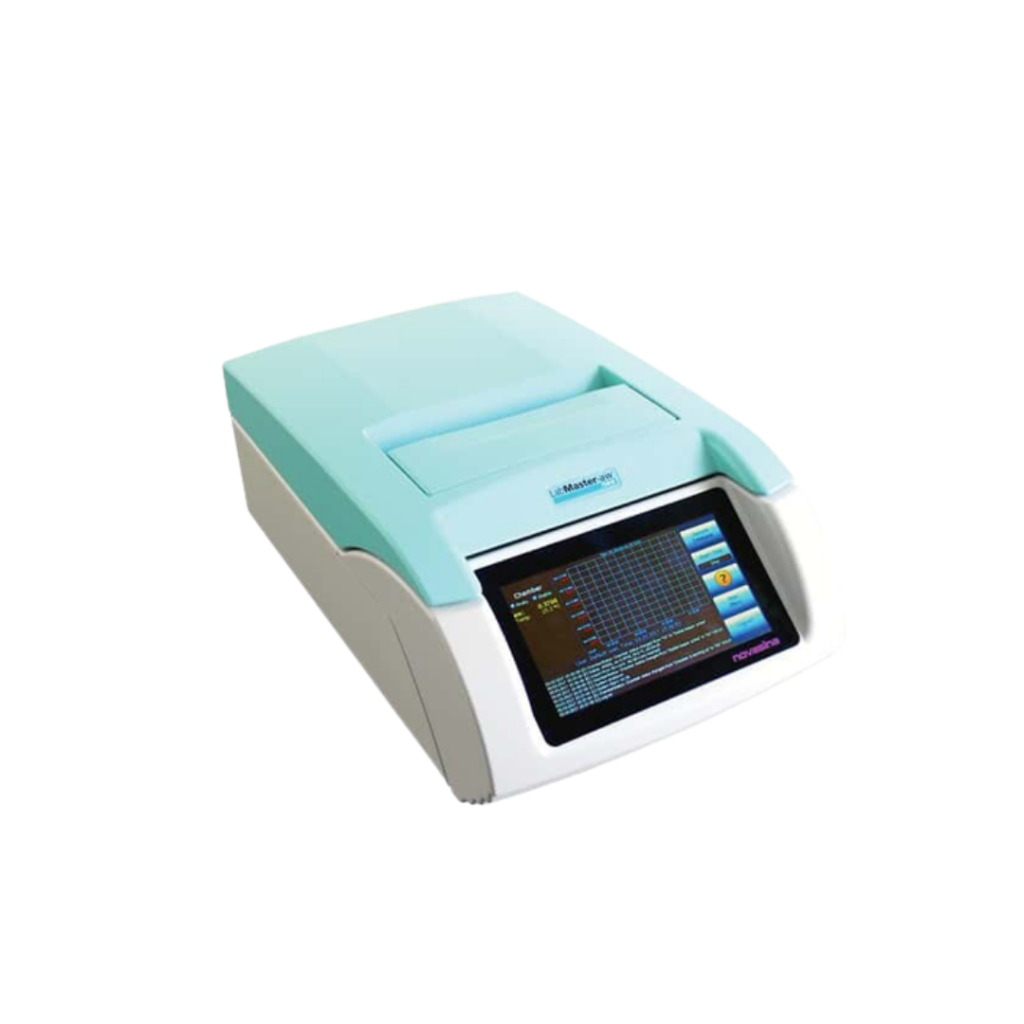
Novasina Water Activity Meter
Novasina Water Activity Meter was used to determine the water activity (aw) of the liposomal formulation to evaluate moisture availability and its potential impact on liposome stability and product quality. Water activity measurement provides an assessment of the amount of unbound water present in the system, which can influence lipid oxidation, chemical degradation, physical stability, and microbial growth. The Novasina instrument enables accurate and reproducible aw measurements under controlled conditions, and the obtained data were used to support the evaluation of liposomal formulation stability, storage conditions, and overall quality control.
Liposome Visualization & Morphology
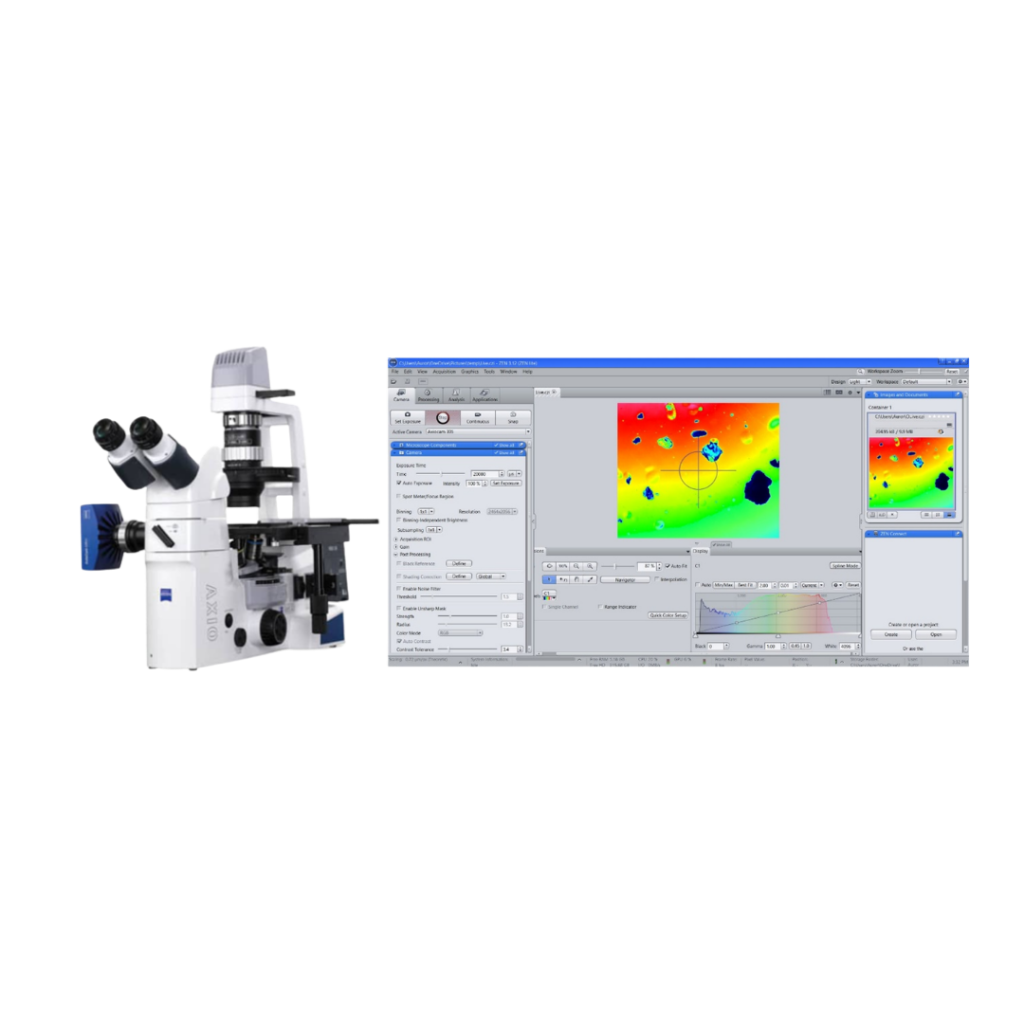
ZEISS Axio Vert.A1 inverted microscope
ZEISS Axio Vert.A1 inverted microscope is used for the optical visualization and preliminary morphological assessment of the liposomal formulation. The inverted microscope configuration allows direct observation of samples in liquid environments, making it suitable for evaluating particle dispersion, aggregation, and overall sample homogeneity. Images obtained using the Axio Vert.A1 are used to assess the macroscopic and microscopic appearance of the formulation and to support the evaluation of liposome stability and uniformity prior to further nanoscale characterization using advanced techniques such as dynamic light scattering (DLS) and electron microscopy.
Cryogenic Transmission Electron Microscopy

Thermo Scientific Talos L120C Cryogenic Transmission Electron Microscope (Cryo-TEM)
Thermo Scientific Talos L120C Cryogenic Transmission Electron Microscope (Cryo-TEM) is used to characterize the morphology and ultrastructure of the liposomal formulation under near-native conditions. Cryo-TEM preserves liposomes in vitrified ice, eliminating the need for staining or drying and minimizing preparation-induced artifacts. This technique enables direct visualization of liposome size, shape, membrane integrity, lamellarity, and structural uniformity at the nanoscale. The resulting micrographs were used to confirm successful liposome formation and to complement particle size distribution and zeta potential measurements obtained by dynamic light scattering (DLS), providing comprehensive physicochemical characterization of the liposomal system.
High Resolution Cryo-TEM Characterization
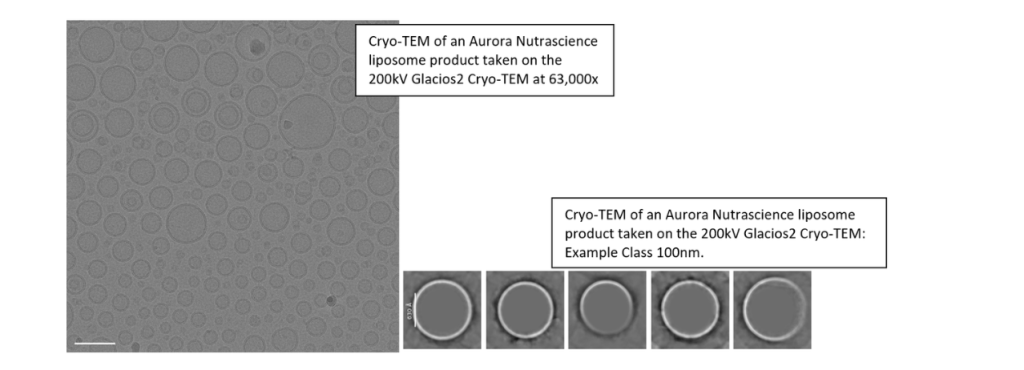
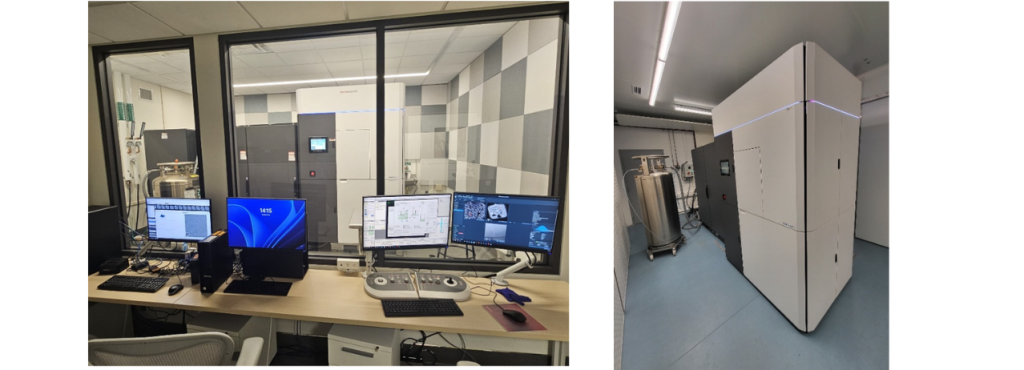
200 kV Glacios Cryo-Transmission Electron Microscope (Cryo-TEM)
200 kV Glacios Cryo-Transmission Electron Microscope (Cryo-TEM) is used to characterize the morphology and microstructure of the liposomal formulation under near-native conditions. Cryo-TEM enables direct visualization of individual liposomes without the artifacts associated with conventional drying or staining techniques, providing high-resolution images of vesicle size, shape, lamellarity, and membrane integrity. The 200 kV accelerating voltage offers excellent image contrast and penetration while minimizing beam-induced damage, making it well suited for the characterization of nanoscale lipid vesicles. The resulting images were used to confirm liposome formation, assess structural uniformity, and complement particle size and zeta potential measurements obtained by dynamic light scattering.